“Consider the ravens:
They do not sow or reap; they have no storehouse or barn, yet God feeds them.
And how much more valuable you are than birds!”
—
Luke 12:24
“But seek His
kingdom, and these things will be added unto you.”
—
Luke 12:31
Most of us spend a
considerable amount of time thinking about the things we need. Food, clothing,
shelter, health, financial security, and the well-being of those we love are
important concerns. We make plans, fulfill responsibilities, and work to provide
for ourselves and others. Yet even with careful preparation, uncertainty can
remain. In Luke 12, Jesus speaks directly to the anxieties that arise from
these ordinary human needs. He tells His disciples not to be consumed by worry
about what they will eat or wear. Then He directs their attention toward the
natural world. “Consider the ravens,” He says. Ravens do not plant fields or
maintain barns, yet they find nourishment within God's creation. Jesus then
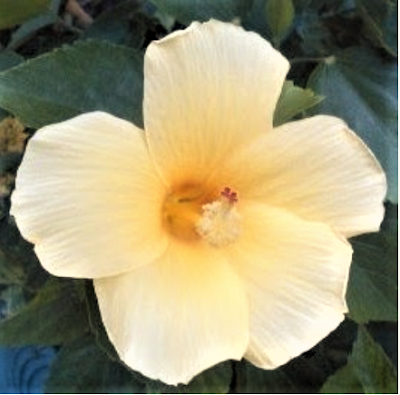
points to the flowers growing in the fields. They do not labor to produce
beautiful clothing, yet their appearance surpasses even the splendor of Solomon's
royal garments. Through these familiar examples, Jesus invites His listeners to
recognize God's care within the world around them. His teaching does not
suggest that food, clothing, and shelter are unimportant. Jesus understands
that people need these things. In fact, His ministry repeatedly demonstrates
concern for physical as well as spiritual needs. He feeds the hungry, heals the
sick, and responds compassionately to those who are suffering. Instead, Jesus
challenges the assumption that anxiety must govern our lives. He encourages His
followers to remember that their heavenly Father knows what they need.
Pause and reflect:
When
I consider my responsibilities and concerns about the future, how much of my
attention is shaped by worry, and how much is shaped by trust in God's care? Trusting
God does not mean neglecting our responsibilities. We still need to work, plan,
manage resources wisely, and seek help when necessary. Nor should we interpret
Jesus' words as a guarantee that faithful people will never experience hunger,
poverty, or material hardship. Such suffering is real, and it deserves a
compassionate response from the community of faith. Jesus' teaching calls us to
recognize that our lives are worth more than the possessions we accumulate or
the security we attempt to create for ourselves. Our deepest identity rests in
being loved and valued by God. This understanding can change how we approach
both our own needs and the needs of others. When we remember that God cares for
us, gratitude can replace some of the fear that accompanies uncertainty. We may
become more attentive to the resources already available to us, the people who
offer support, and the opportunities we have to act responsibly. At the same
time, recognizing God's care should encourage us to participate in that care.
If God values every person, then those who are hungry, poorly clothed, or
without adequate shelter deserve our attention and assistance. Gratitude for
our own provision should lead toward generosity rather than indifference. Jesus
concludes this teaching with an important instruction: “But seek His kingdom,
and these things will be added unto you.” Seeking God's kingdom means allowing
His purposes and values to shape our priorities. We are called to pursue lives
characterized by love, justice, mercy, faithfulness, and trust. Rather than
making the accumulation of possessions our central concern, we seek to live
according to God's will. This does not remove every uncertainty, but it gives
our lives a deeper direction. As we approach Thanksgiving, this passage invites
us to consider the many ways our needs have been met. Some provisions have come
through our own labor. Others have arrived through the generosity,
encouragement, or assistance of people around us. All can become occasions for
gratitude.
Today, take a moment to
identify a basic need that has been met in your life. Give thanks for that
provision, remembering the people and circumstances through which it became
available. Then consider whether you can help meet a similar need for someone else.
You might pray,
“Lord, help me trust Your care, use wisely what You have
provided, and share generously with those in need.” The ravens and flowers
remind us that we live within a creation sustained by God. Jesus reminds us
that we are known and valued by our heavenly Father. And gratitude invites us
to receive His care with trust while becoming instruments of that care in the
lives of others.
Heavenly Father,
Thank You for knowing
my needs and caring for me with love and compassion. Thank You for the food,
shelter, relationships, and resources that sustain my daily life.
When concerns about
the future begin to overwhelm me, help me remember that my life is precious in
Your sight. Give me wisdom to fulfill my responsibilities without allowing
worry to control my thoughts. Teach me to seek Your kingdom above the pursuit
of possessions or personal security. May Your love, justice, mercy, and
faithfulness guide the choices I make. Open my eyes to the needs of those
around me. Help me respond with generosity and compassion, recognizing that
Your care for others can be expressed through my willingness to serve. May
gratitude strengthen my trust in You and deepen my commitment to share the
blessings I have received.
In Jesus' name I
pray. Amen.
Comments
Post a Comment